process autoMotion
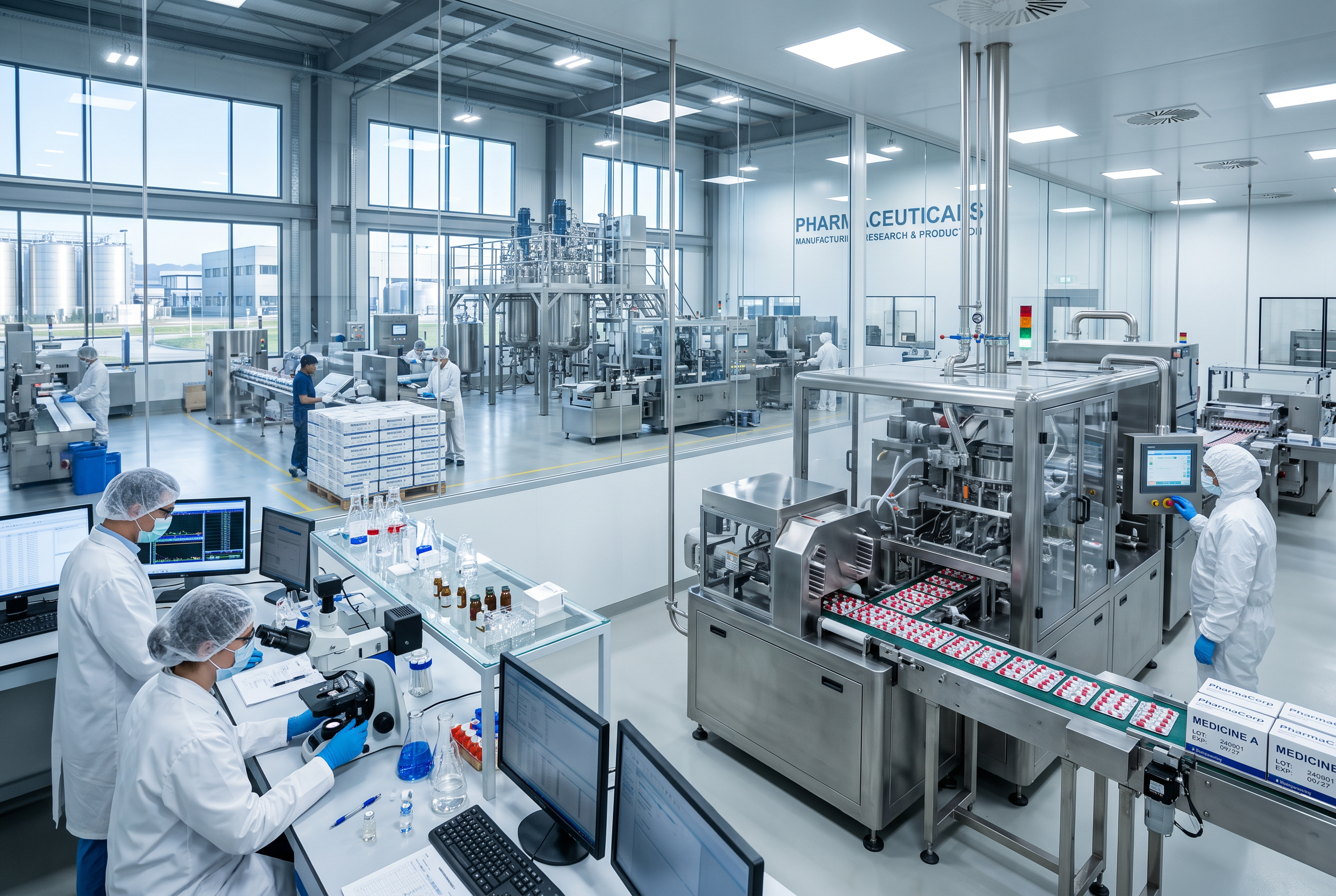
We provide a variety of solutions for process and hybrid industries through our Process Automation division. These solutions include measurement and analytics, control technologies, electrification and digital solutions, industry-specific integrated automation, software, and advanced services.
Automate, Optimize, and Control Your Operations
Control systems, measurement, and industrial software that make process industries safer, more productive, and more sustainable — from a single plant to an entire enterprise.
The world's process industries
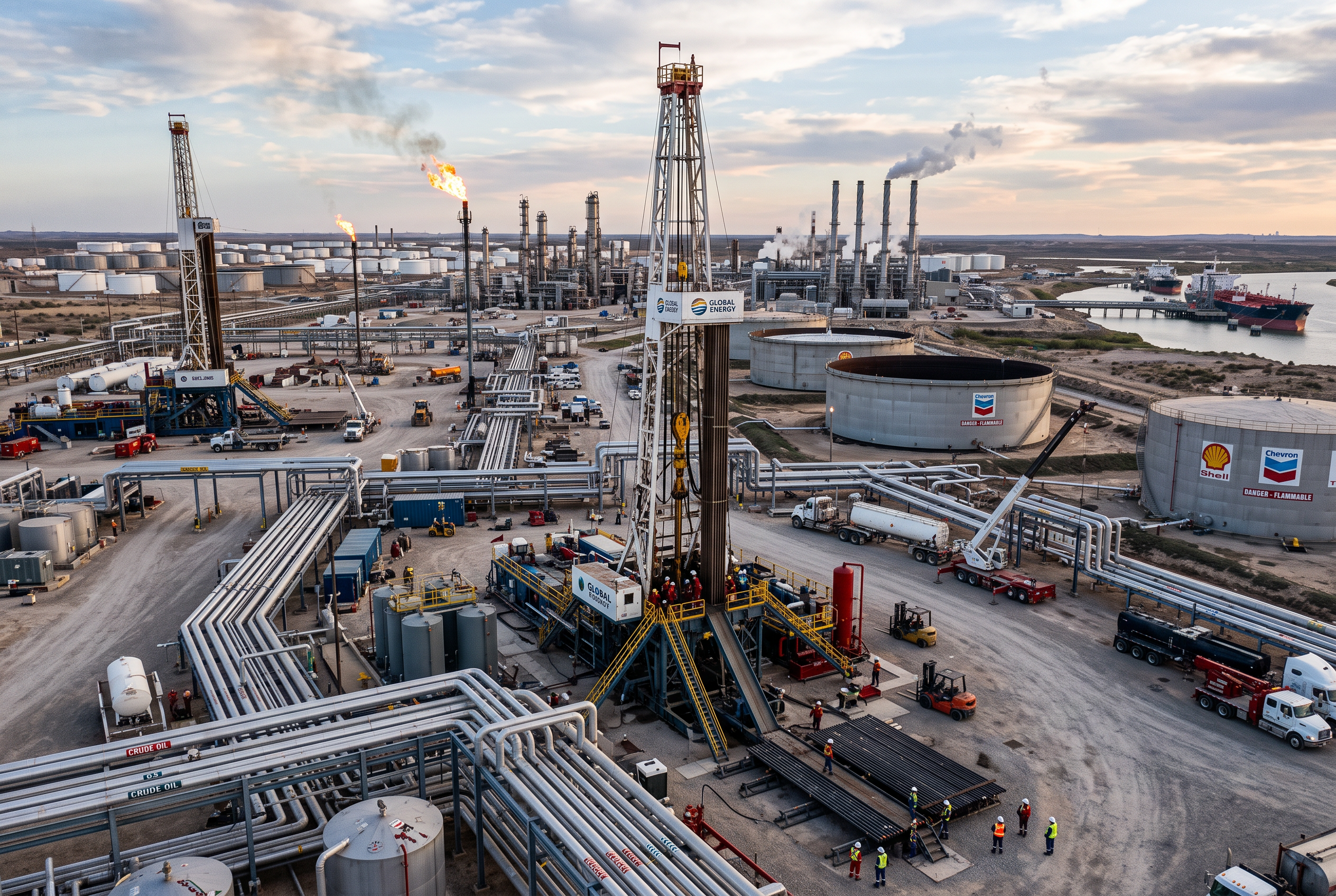
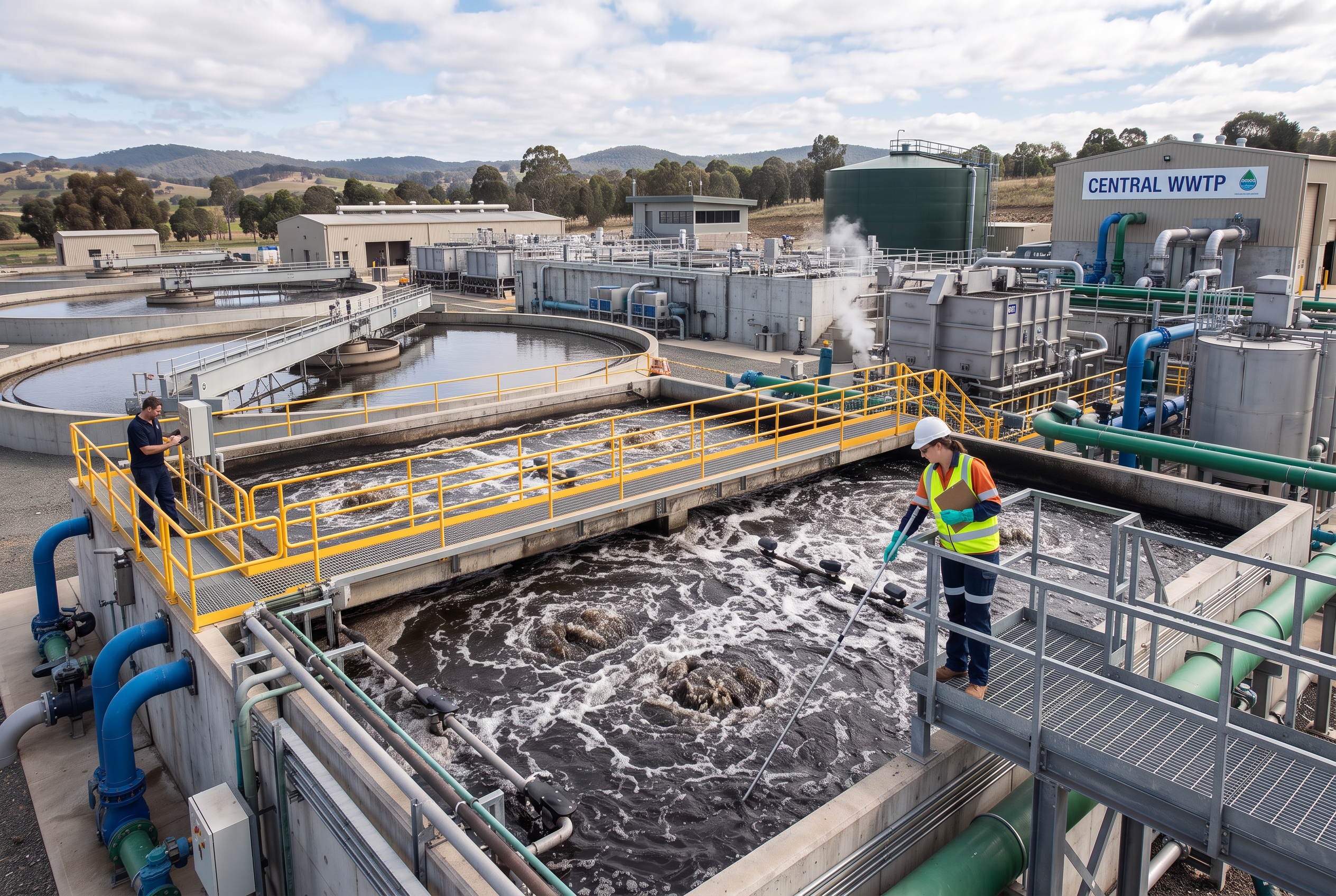
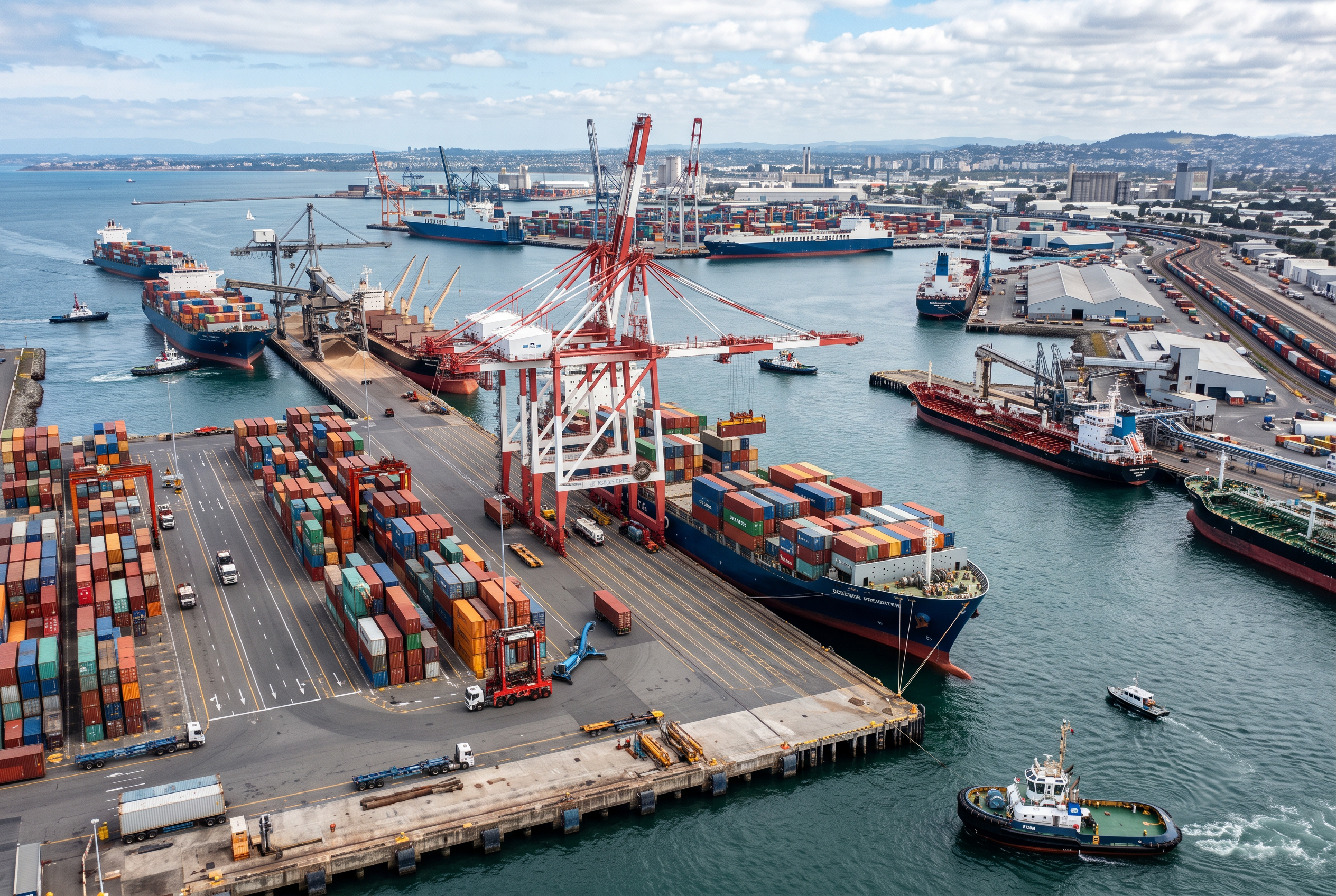
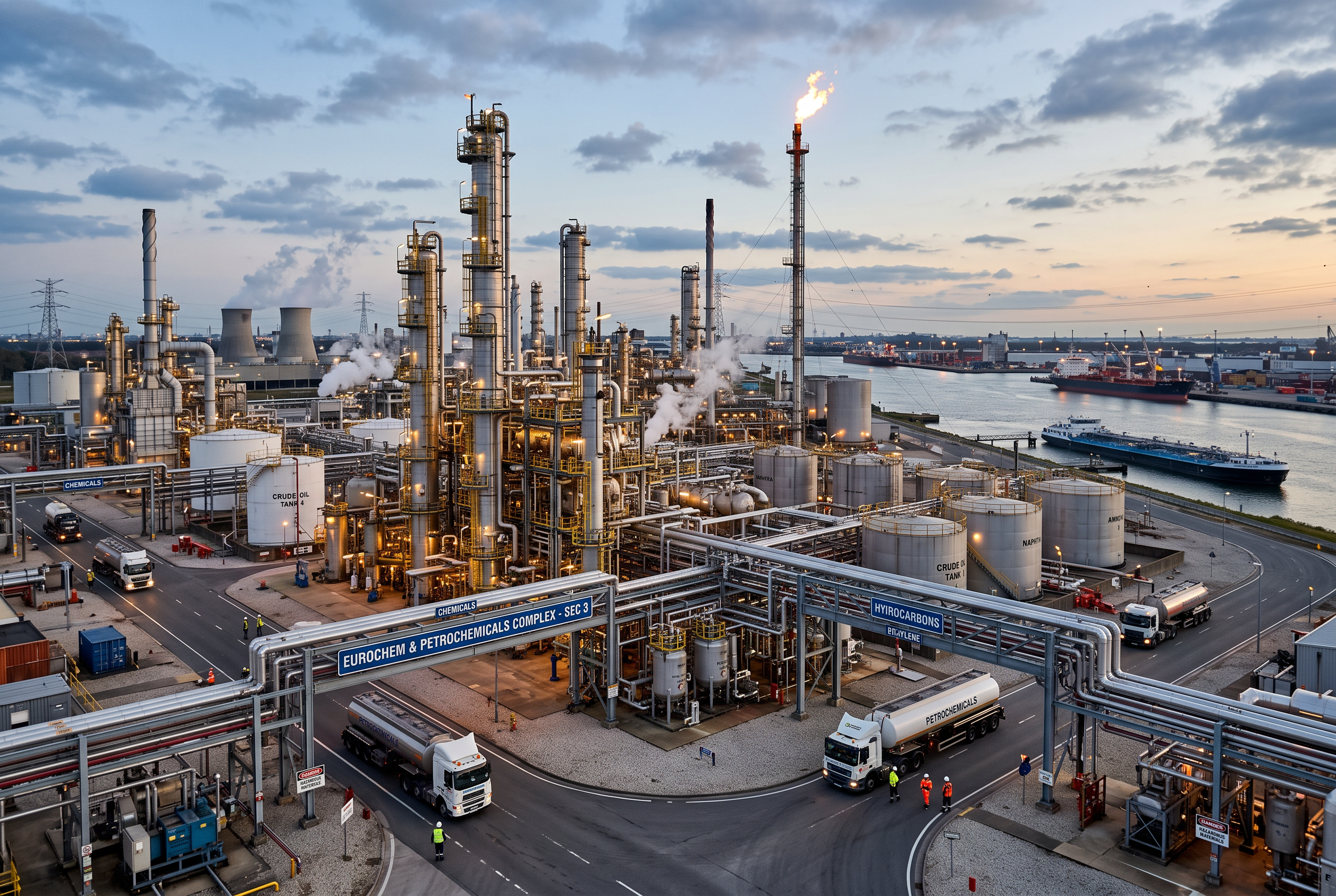
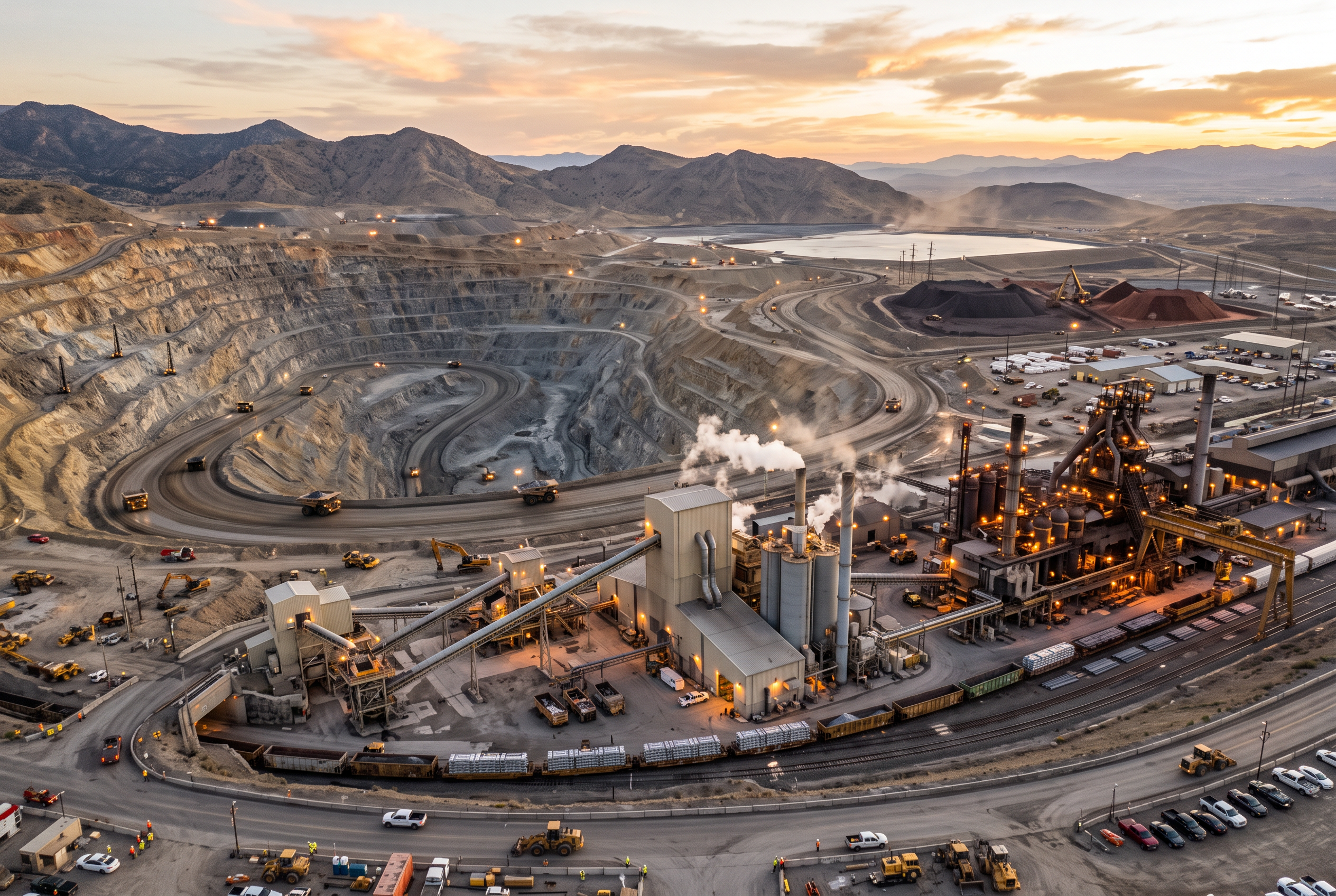
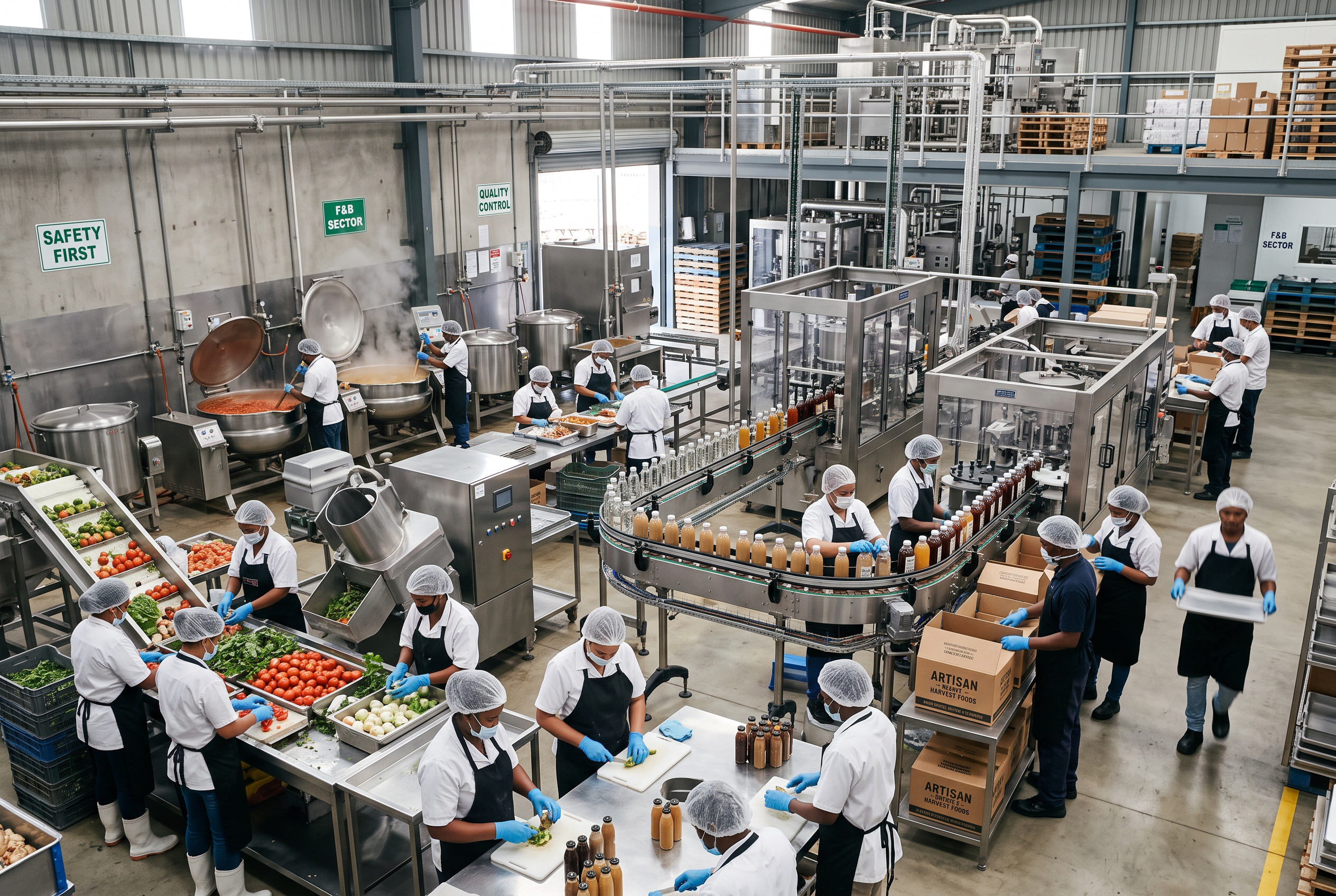
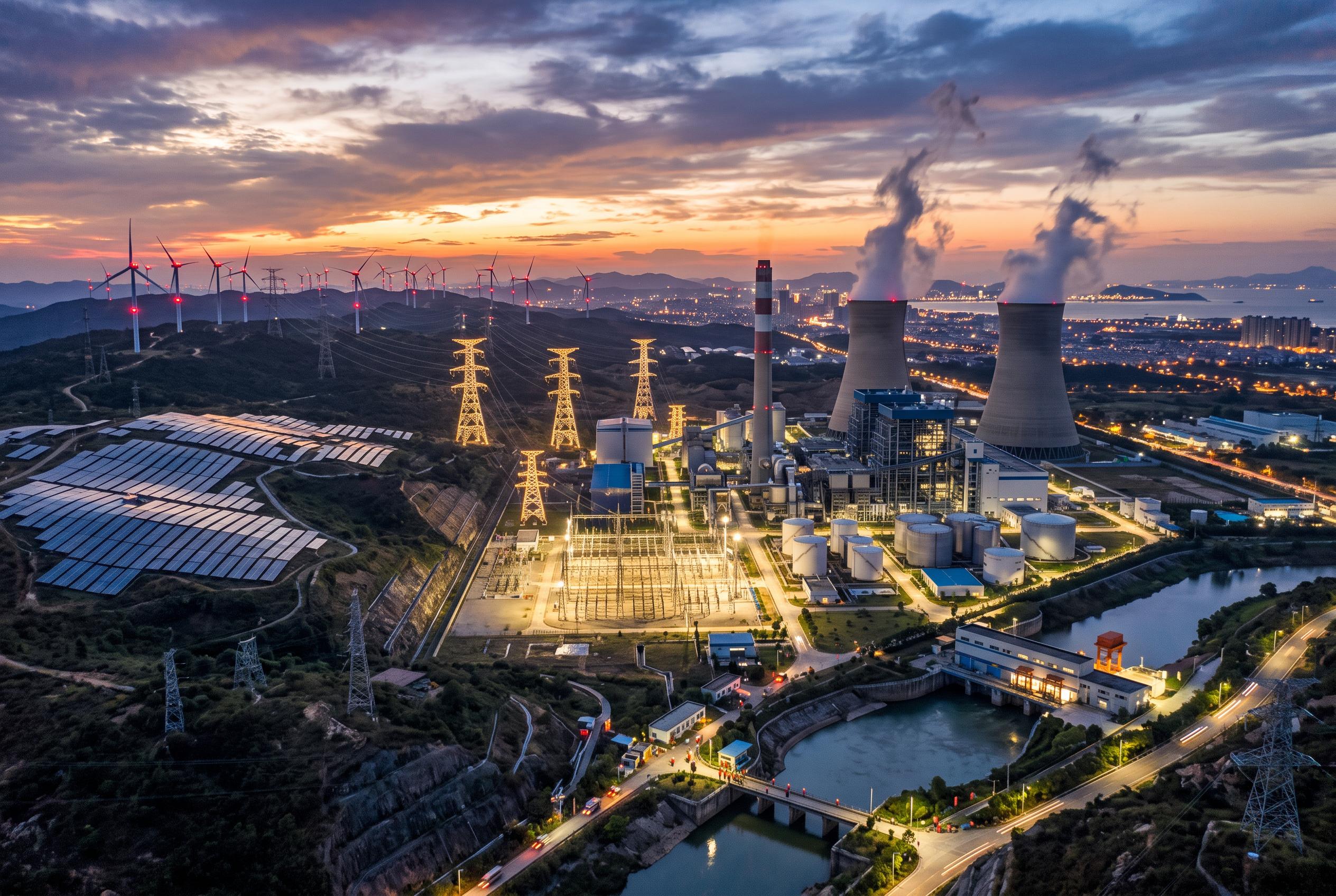
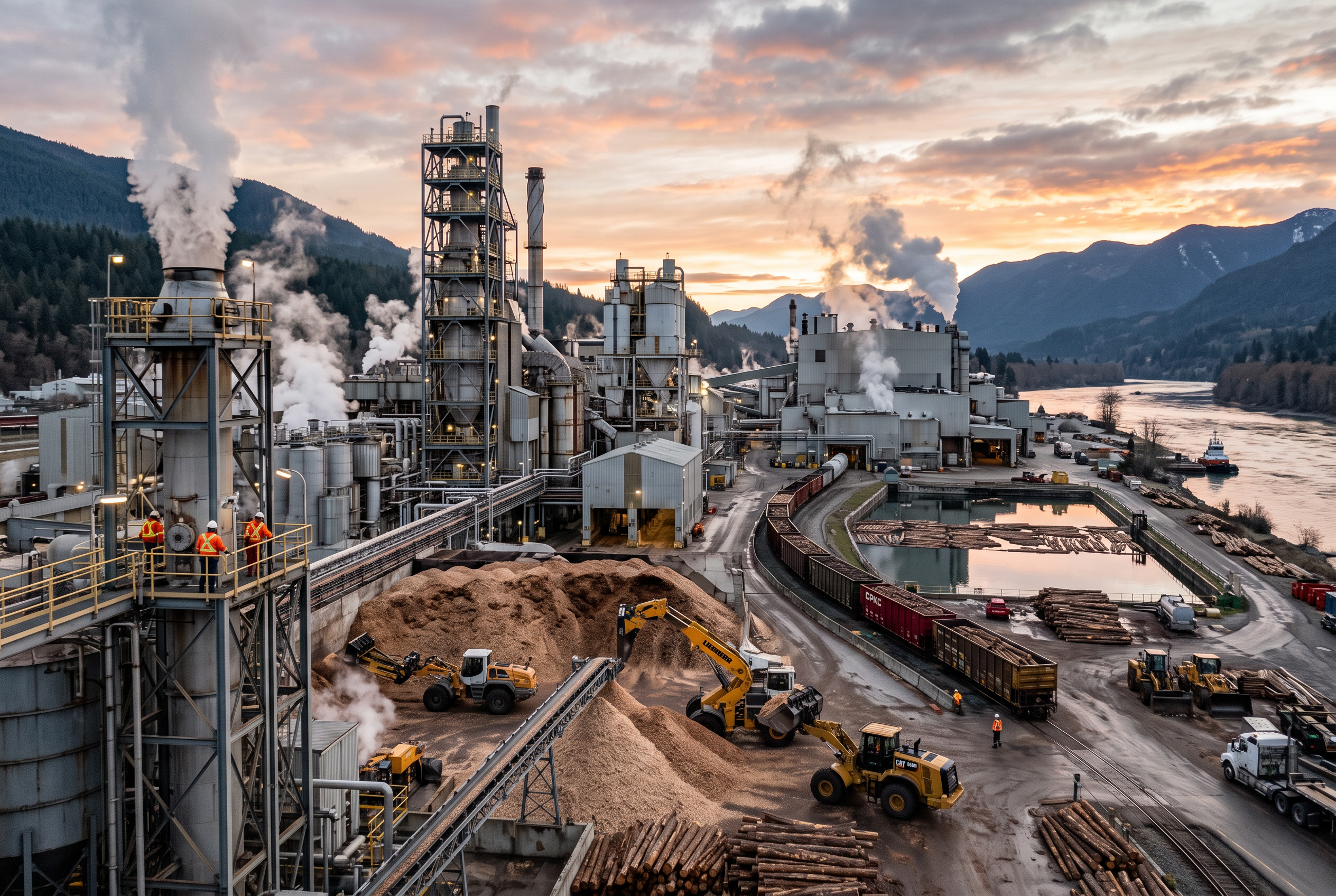
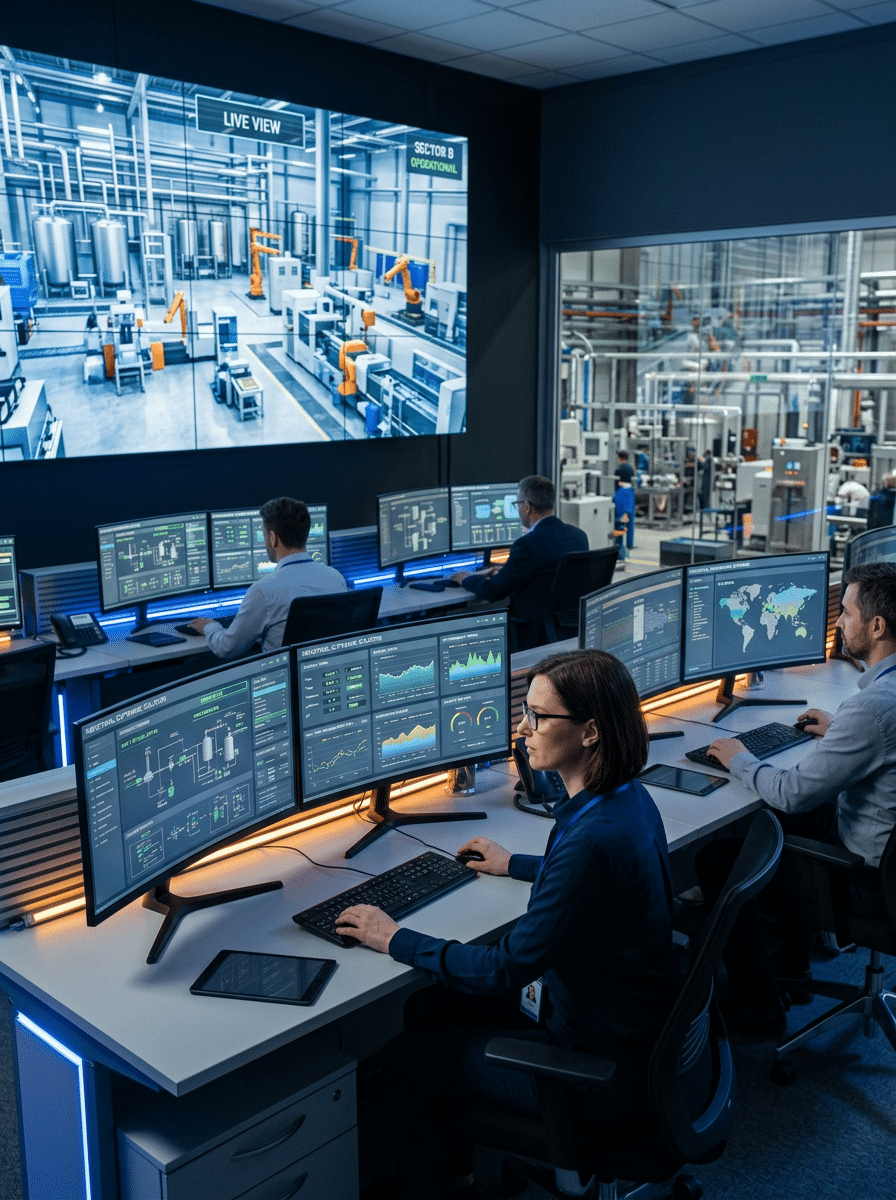
Energy, water, chemicals, minerals, pulp and paper, and more — run on precise, continuous control. Behind every reliable production line and every safely managed plant is an automation system measuring, deciding, and adjusting thousands of times a second.We deliver the control systems, instrumentation, and software that let you run those operations with confidence. Our solutions help you see what's happening across your plant in real time, control it precisely, protect people and assets, and continuously improve efficiency, quality, and sustainability.
The goal is straightforward: turn data into better decisions, and better decisions into safer, leaner, more profitable operations.
key advantages of process automation
Higher Productivity
Automated processes run continuously and consistently, reducing bottlenecks and manual delays. Optimised control squeezes more output from the same assets—improving throughput without added capital.
Consistent Quality
Precise, repeatable control keeps every batch and every product within specification. Less variability means less rework, less waste, and a more reliable end product.
Improved Safety
Dedicated safety systems and continuous monitoring protect workers, equipment, and the environment — detecting hazardous conditions and taking protective action faster than any manual response.
Lower Operating Costs
Automation reduces energy use, raw material waste, and manual labour on repetitive tasks — while helping you avoid the costly consequences of unplanned downtime.
Real-Time Visibility
Modern control systems give operators and managers a live, plant-wide view of every process. Better visibility means faster, better-informed decisions at every level.
Predictive Maintenance
Connected instruments and analytics detect developing faults before they cause failures — shifting maintenance from reactive to planned, cutting downtime, and extending asset life.
Energy Efficiency and Sustainability
By optimising how energy and resources are used across a process, automation reduces consumption, emissions, and waste — directly supporting decarbonisation and efficiency targets.
Scalability and Flexibility
Modern automation architectures grow with you — from a single unit to a multi-site enterprise — and adapt as your processes, products, and priorities change.
our process automation solutions
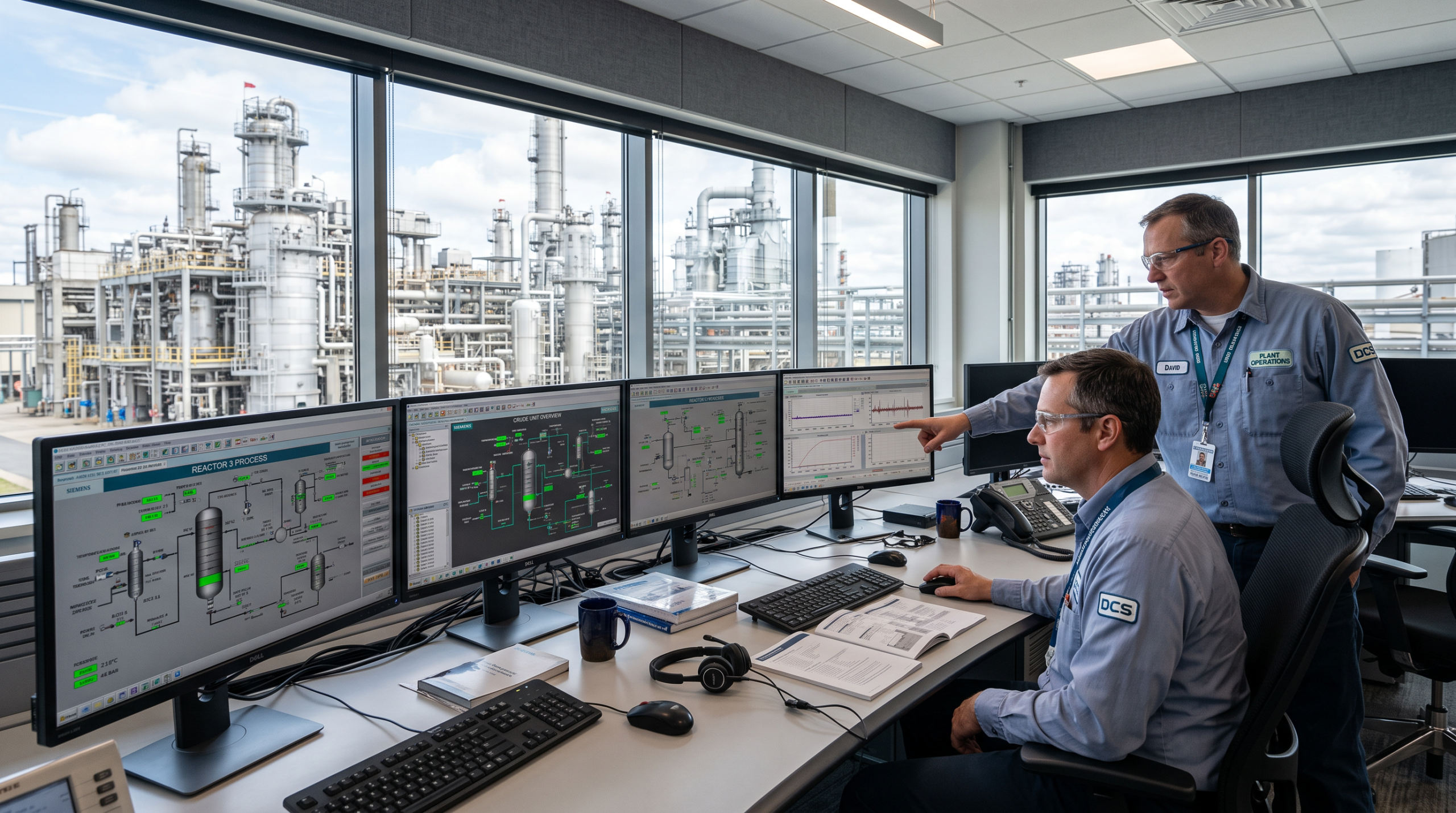
Distributed Control Systems (DCS)
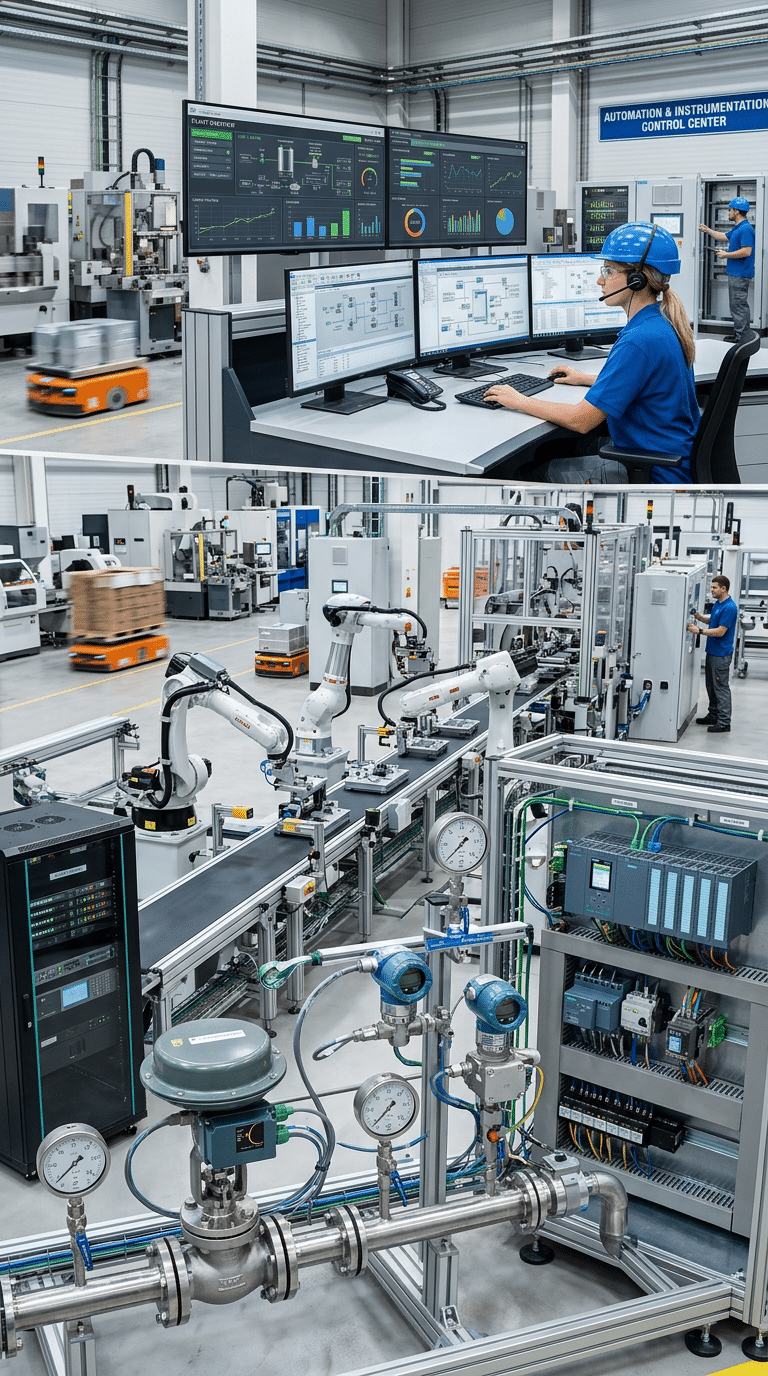
The central nervous system of your plant — integrating control, operations, and information into a single environment for managing continuous and batch processes.
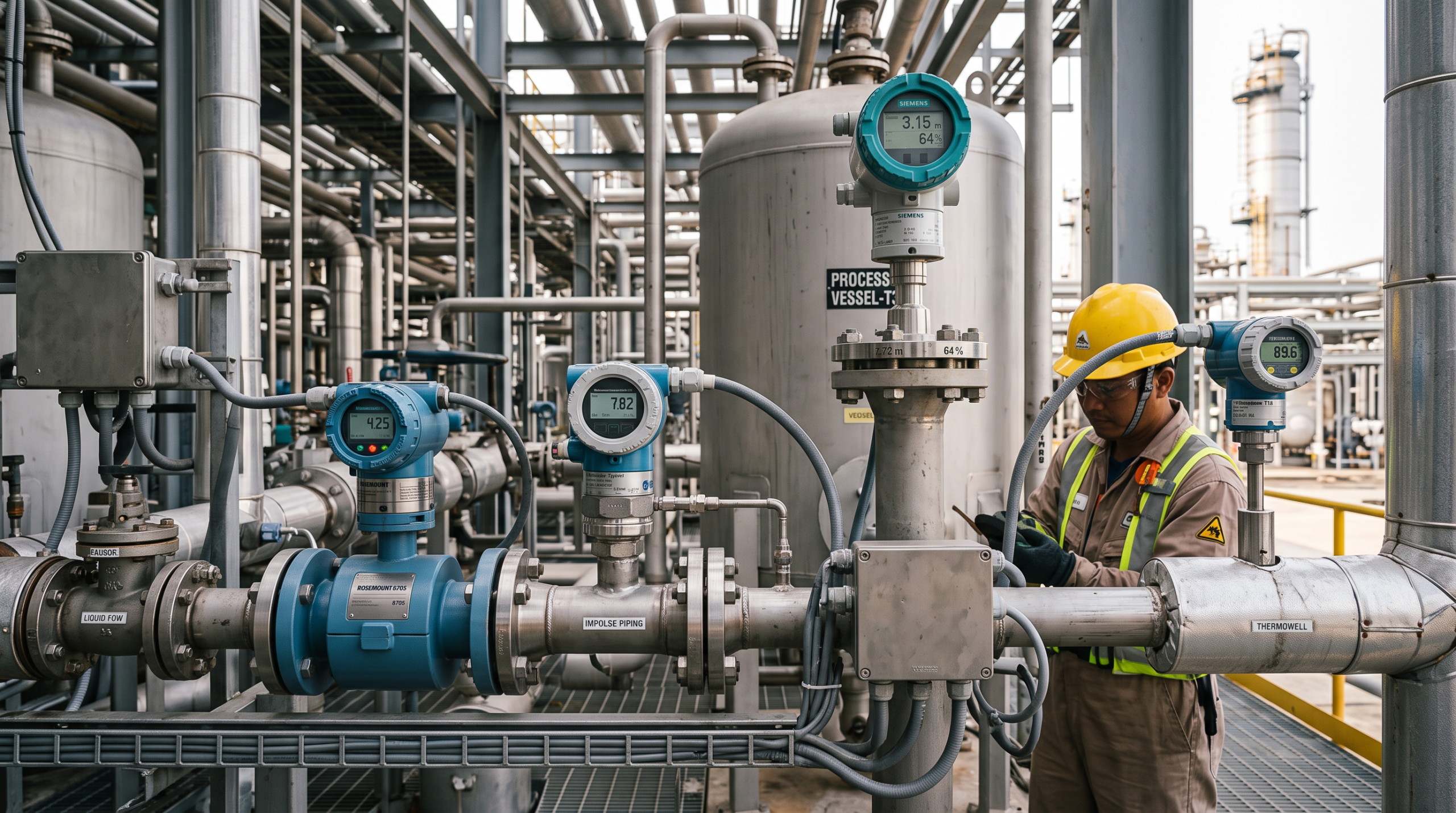
Measurement and Analytics / Instrumentation
Field instruments and analysers that measure flow, pressure, temperature, level, and composition with precision — the accurate data every good decision depends on.
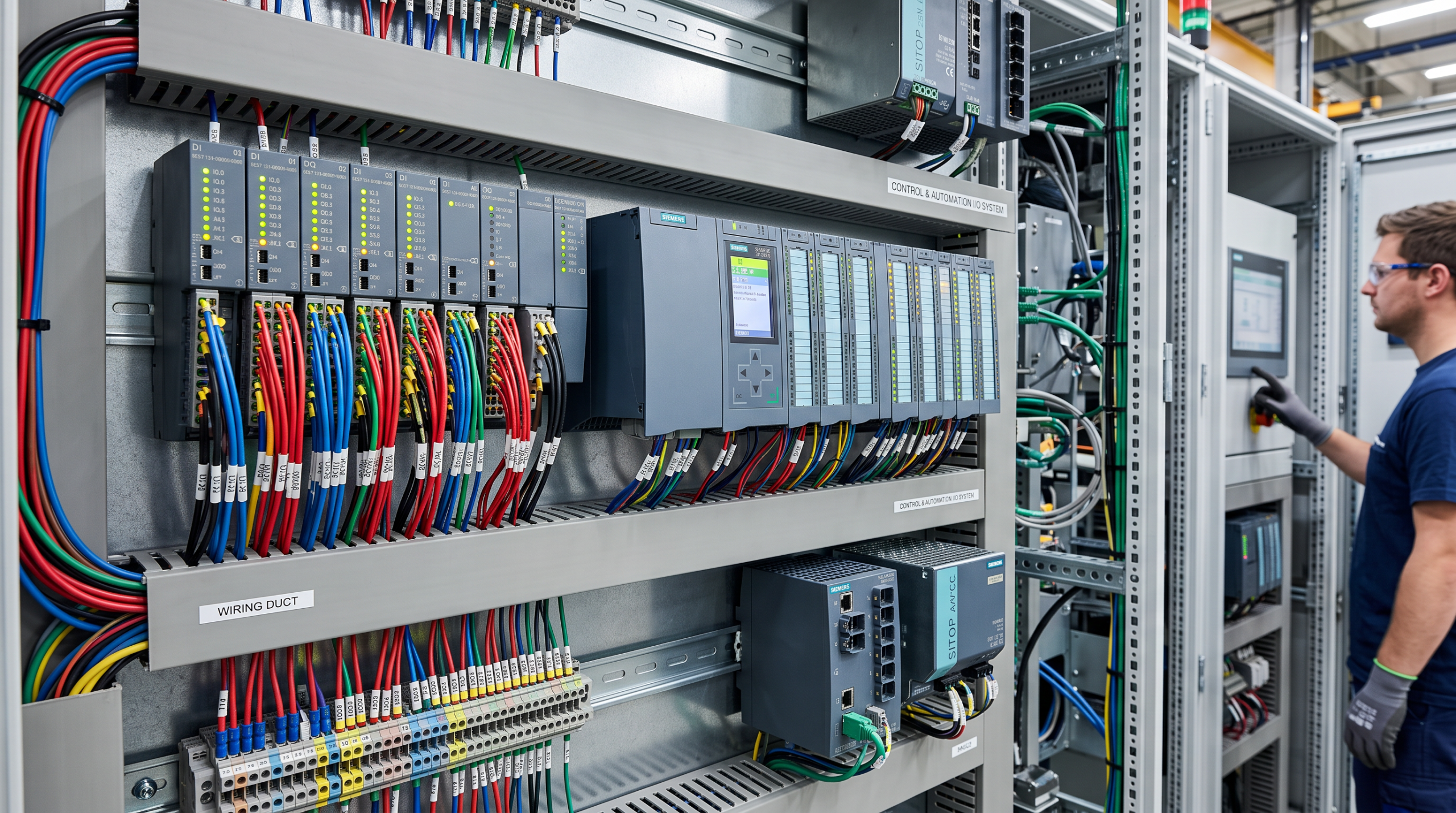
Control and Automation Hardware
Controllers, I/O systems, and field devices that form a robust, reliable foundation for automating your operations.
Industrial Software
Software for operations management, production optimisation, asset performance, energy management, and advanced process control — turning raw data into measurable results.
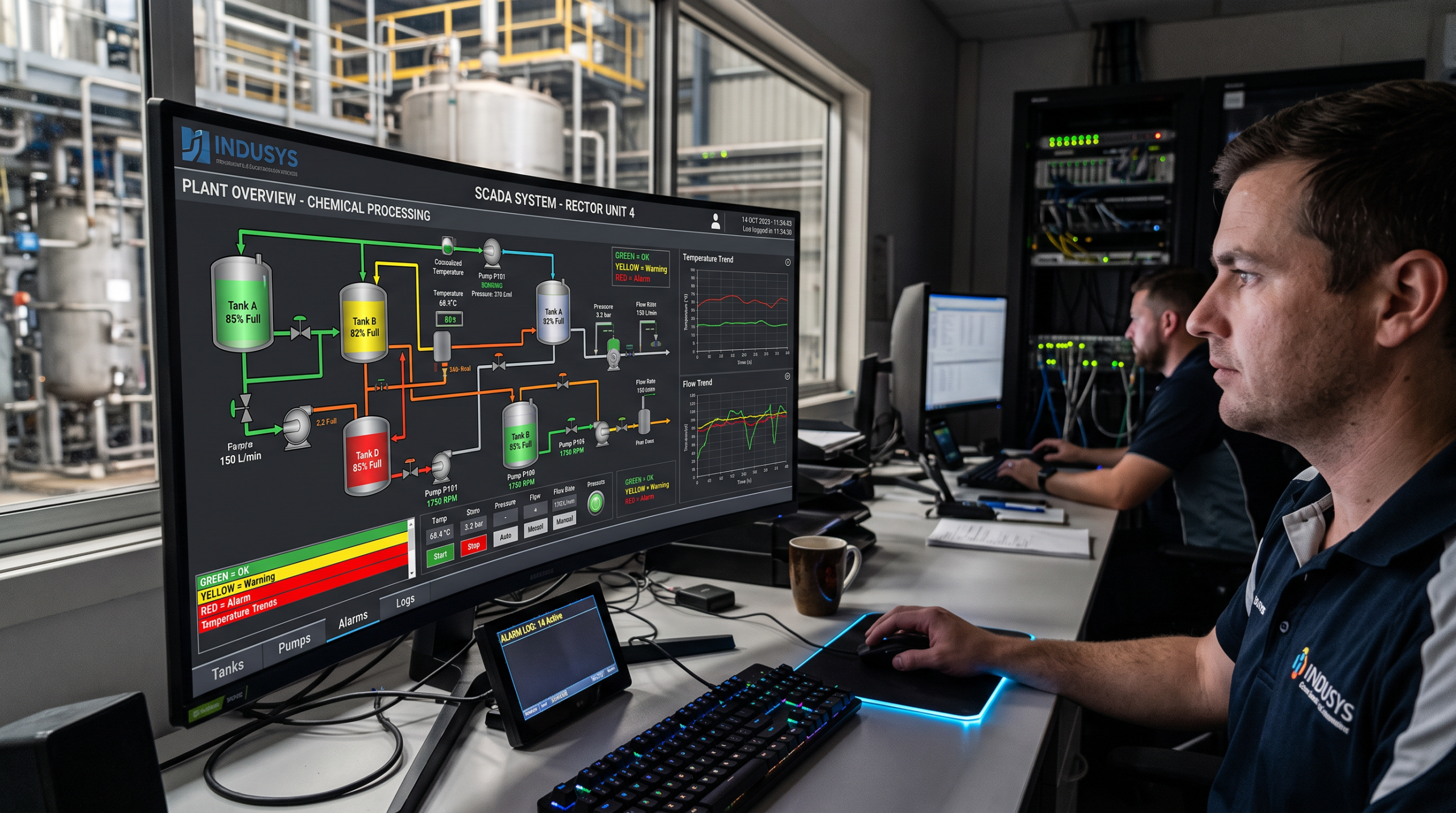
Digital and Analytics Solutions
Analytics, remote monitoring, and digital twin capabilities that help you predict, simulate, and optimise plant performance.

Services and Lifecycle Support
Engineering, commissioning, maintenance, training, upgrades, and remote support to keep your systems secure, current, and performing throughout their life.
industries and applications we serve